
For sun spots and uneven colour

IPL pigmentation treatment in Hale, Altrincham

Fade unwanted sun spots and bring more evenness back to your skin. IPL uses pulses of light to target patches of excess pigment, helping suitable brown marks become less noticeable.

A brown mark on your cheek can be small and still be the first thing you cover in the morning. Perhaps a few have appeared over the years, or the patchiness you once noticed only after summer now stays all year. IPL offers a way to work on that colour directly. If you've been looking at IPL or BBL for pigmentation, Dr Alex can help you understand whether light treatment suits the marks you want to change.

i

Treatment planning with Dr Alex at SONÜ in Hale.

Treatment cost
£150 for the face
Downtime
Usually minimal
Course
Tailored to your skin
Appointment time
Around 30 minutes

What have you noticed?

Those marks the concealer comes out for

You may be happy with the rest of your skin and simply want a few brown areas to stand out less.

Sun spots across your cheeks

A scattering of flat brown marks can make your complexion look patchy, even when your skin feels smooth and well cared for.

Colour that stays through winter

The summer tan has gone, but some of the brown marks haven't. You'd like them to blend in better with the surrounding skin.

A brightening routine with limited results

You've been consistent with skincare, yet the same spots are still there. A treatment that targets the pigment may be the next useful step.

At a glance

What to expect from pigmentation treatment

Plan around some temporary darkening of the treated marks as well as the improvement that follows.

Treatment cost
£150 for the face
Packages are £360 for three sessions or £630 for six.
Downtime
Usually minimal
Brown marks may darken and lightly flake before fading.
Course
Tailored to your skin
Treatment is often planned over several sessions, spaced weeks apart.
Appointment time
Around 30 minutes
This is the facial appointment; assessment and patch testing come beforehand.
Results
Develop over the following weeks
The aim is lighter-looking marks and a more even complexion.

The change you want

Less attention on the brown spots

When the darker patches fade, the rest of your skin gets a chance to show through.

IPL can reduce the appearance of suitable sun spots and freckles by targeting excess pigment near the skin's surface. The improvement might be a single mark that's easier to cover, or a more even-looking finish across your cheeks. Your natural skin tone and the freckles you like are part of the conversation too; treatment should reflect what you actually want to change.

✓

✓

Fade suitable sun-related brown marks.

✓

Reduce patchiness across the treated area.

✓

Spend less time covering individual spots.

✓

Enjoy a more even-looking complexion without injections.

Is it the right option?

Which kind of pigmentation are we treating?

IPL works best when the target is right. Dr Alex will discuss the marks, your skin history and any previous assessment before recommending treatment.

Established sun spots
Flat, benign sun-related marks are common reasons to consider IPL. Your skin colour and the contrast between the mark and surrounding skin help determine suitability.
Melasma or marks after inflammation
Brown patches linked to hormones, acne or irritation can behave differently. They may need skincare or another approach, as light treatment can sometimes make this pigmentation worse.
A recent tan or easily irritated skin
Sun exposure and inflammation affect how safely IPL can be used. Let the team know about holidays, fake tan and any recent skin flare before arranging treatment.

Before cosmetic treatment

Uncertain marks need the right assessment

If a mark is new, changing, bleeding, irregular or hasn't been identified, have it checked by your GP or a dermatologist first. SONÜ doesn't provide a mole or skin-lesion diagnosis service. Once a mark has been confirmed as suitable for cosmetic treatment, the IPL discussion can focus on improving its appearance.

How it works

Targeting the pigment in the mark

Melanin is the pigment that gives skin its colour. IPL delivers filtered flashes of light that are absorbed by areas containing more of it.

The absorbed light creates heat in the target, helping the treated pigment fade or shed as the skin renews. That is why a brown spot may look darker for a while before it looks lighter. IPL and BBL treatments use this light-based approach to address uneven colour, with the settings chosen for the skin and the particular concern.

Your appointments

A clear plan before the first flash

Bring details of your skincare and any previous treatment for the pigmentation. Tell the team if you're working towards an event or holiday.

Before treatment

Discuss the marks

Dr Alex will look at treatment suitability, what you'd like to change and whether any marks need a separate GP or dermatology assessment first.
Before your session

Prepare and patch test

A small test area checks your skin's response. The team will explain preparation, including tanning and products that may need to be paused.
At your appointment

Treat the agreed area

Your skin is cleansed and your eyes protected. Pulses of light are applied across the selected area; they can feel like brief hot flicks against the skin.
After treatment

Allow the pigment to fade

Keep to the aftercare and sun-protection advice. Leave any darkened or flaky spots alone, and review the result once the skin has settled before deciding on further treatment.

Why Dr Alex

A plan for the marks that bother you

Dr Alex is a medical doctor and founder of SONÜ. He'll discuss the change you want and how pigmentation treatment fits with the rest of your skin care. His experience with IPL, peels and resurfacing helps him explain the options, including when a topical approach may be more useful. He keeps treatment suitability separate from diagnosing skin lesions, which need the appropriate GP or dermatology assessment.

GMC-registered doctor · 7072776

Full Member of BCAM

International toxin trainer

Aesthetics Awards winner 2021

Safety and aftercare

Protect the improvement as it develops

Temporary warmth, redness or swelling can follow IPL. Treated brown marks often become more obvious before they fade or flake away.

Possible side effects

Use daily sun protection and follow your individual aftercare. Avoid tanning and picking at treated skin. Less common risks include blisters, burns, darker or lighter patches and scarring. Tell the team about medicines, light sensitivity, cold sores and recent procedures before treatment.

When to get urgent help

Contact the clinic promptly if you develop blistering, increasing pain, spreading redness or signs of infection. Eye pain or a change in vision needs urgent medical assessment. If the clinic is closed and you need advice, contact NHS 111.

When treatment needs to wait

IPL may need to be postponed for a tan, sunburn, infection or inflamed skin. Some skin types, medicines and medical conditions make another approach more suitable. Unexplained or changing skin lesions need assessment elsewhere before cosmetic treatment.

Assessment, patch testing and sun protection are part of the treatment plan.

Treatment costs

IPL pigmentation treatment prices

IPL treatment for the face costs £150 per session. Three-session packages cost £360 and six-session packages cost £630.

Face
£150per session
Three facial sessions
£360per package
Six facial sessions
£630per package
The recommended course and any consultation or patch-test charges are confirmed before booking. Other areas and combinations are quoted separately.
A consultation with Dr Alex costs £75. If you choose to have treatment within 3 months of your consultation, you can put this fee towards it, including at a later appointment. It cannot be used towards skincare products. If you decide not to have treatment, the fee covers your consultation.
Book a consultation
Your recommended area and course, plus any consultation or patch-test charges, will be confirmed before booking. Treatment of smaller areas or areas beyond the face is quoted separately.

Your questions

Before you book pigmentation treatment

The things worth knowing about sun spots, darker-looking marks after treatment and keeping your results.

Can IPL help with age spots or liver spots?
Yes, IPL can help fade suitable benign sun spots, also called age spots or liver spots. These are usually related to accumulated sun exposure; the name doesn't mean there's a problem with your liver. Any uncertain mark needs a GP or dermatologist's assessment before cosmetic treatment.
Is IPL the same as BBL for pigmentation?
BBL stands for BroadBand Light and is Sciton's branded form of IPL. Both use light to target excess pigment. If sun spots or uneven colour brought you to look at BBL, those are concerns Dr Alex can assess for IPL treatment at SONÜ.
Can I keep some of my freckles?
Tell Dr Alex which marks you want to fade and which you like. Freckles within a treated area may lighten too, so the area and likely effect should be agreed before starting. You don't need to want every freckle gone to have a useful conversation.
Will IPL treat melasma?
Melasma needs a different discussion from ordinary sun spots. It can return or worsen after heat and light treatments, so IPL isn't a routine first choice for every brown patch. Dr Alex can advise on treatment options and when specialist assessment would be helpful.
Why can pigmentation look worse before it improves?
Targeted spots can darken as the pigment reacts to treatment, then fade or shed. The darkening may be noticeable for several days, so plan around it if you have photographs or an event. The team will explain what is expected for your treatment.
How many sessions will I need?
Some marks respond to fewer sessions than others. A course may be useful when pigment is scattered or more persistent. Sessions are spaced several weeks apart so the skin can settle and the response can be reviewed.
Can darker skin have IPL pigmentation treatment?
It depends on the skin and the pigmentation. Light can also be absorbed by pigment in the surrounding skin, increasing the chance of burns or colour changes. Assessment and patch testing help guide the choice; another treatment may be a better fit.
Can you treat pigmentation on hands or the chest?
IPL can be used for suitable sun-related pigmentation beyond the face. Let the team know which area you have in mind so suitability, treatment availability and a separate quote can be confirmed. The facial prices on this page don't include body areas.
Will the pigmentation come back?
A treated mark may remain lighter, but pigment can return and new sun spots can develop. Daily sun protection helps maintain the improvement. Further sessions can be considered if there are new marks you'd like to address.
When can I wear makeup again?
The team will advise based on how your skin has reacted. Makeup can help cover temporary darkening once the skin is suitable for it, but avoid applying it to broken or irritated areas. Keep skincare gentle and don't scrub the marks to make them fade faster.

Start with your skin

Would you like those marks to stand out less?

Book a treatment assessment at SONÜ in Hale, Altrincham. Dr Alex will help you understand whether IPL is a good fit and what change is realistic for your skin.
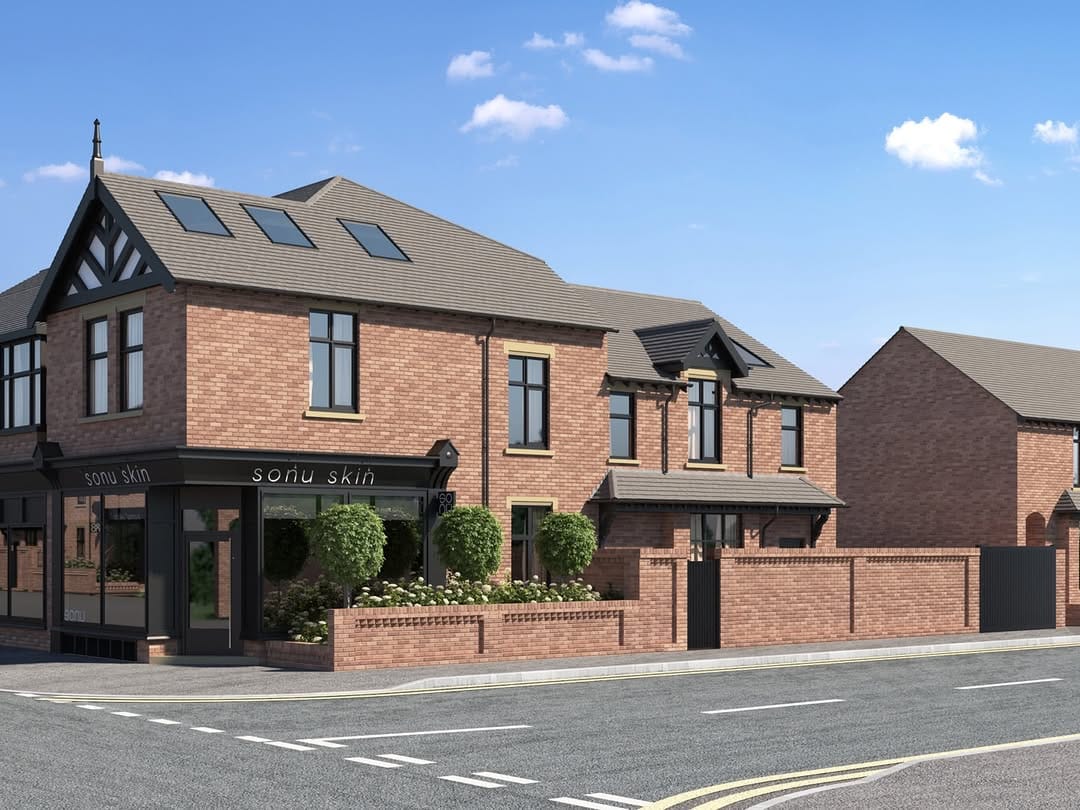
SONÜ Medical Aesthetics

34 Hale Road, Hale, Altrincham, WA14 2EX
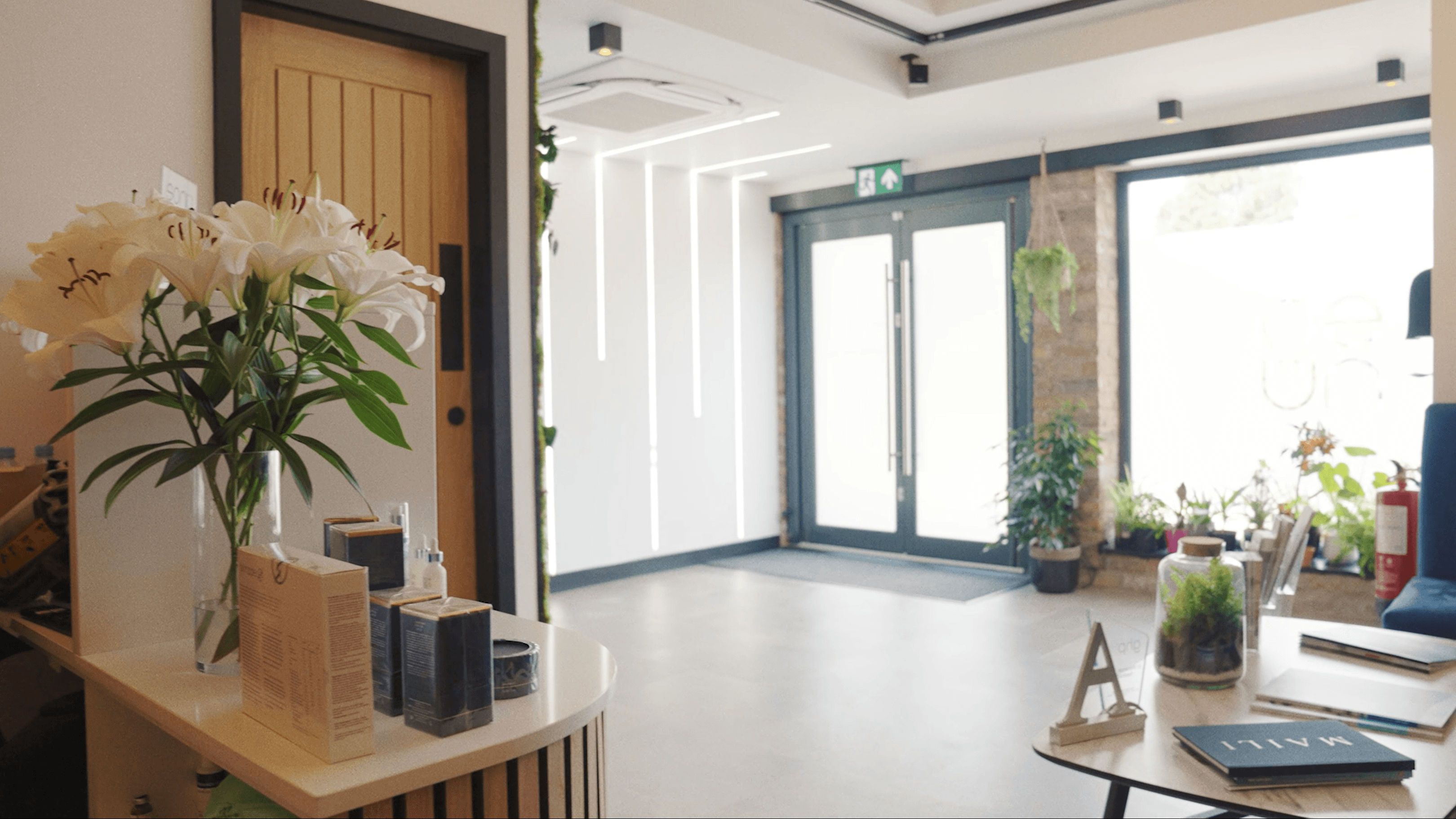
Doctor-led treatment in a relaxed, private clinic

Close to Hale station and easy to reach from Altrincham, Manchester and Cheshire