
CO2 laser scar treatment

CO2 laser scar treatment in Hale, Altrincham

Smoother, softer, less noticeable scars, with fractional CO2 laser treatment that helps remodel the skin after an injury or operation.

The wound has healed, but you're still very aware of the scar. It might look uneven in photographs, feel firm under your fingers or show whenever you wear a particular top.

CO2 laser can improve the texture and appearance of suitable scars by encouraging the tissue to remodel. At SONÜ, Dr Alex uses the SmartXide CO2 laser, choosing the treatment around the scar you have and what you'd most like to change.

i

With Dr Alex, whose CO2 laser work won Best SmartXide Transformation at the Lynton Excellence Awards 2023.

Scar treatment
£150 per session
Suitable concerns
Scar texture and firmness
Comfort
Numbing before treatment
Recovery
A period of skin healing

What you might be noticing

Healed, but still catching your eye

A scar doesn't have to be large to bother you. Sometimes it's one small area that looks or feels different from the skin around it.

A line left by an operation

The scar has closed, but the surface still looks uneven or feels firm. You'd like it to blend in better with the surrounding skin.

An old injury that still shows

A cut or accident left a mark that hasn't softened as much as you hoped. Make-up may cover the colour, but the dip or roughness still catches the light.

A scar you think about when getting dressed

You find yourself checking where a sleeve or neckline sits, or how the scar looks in a photo. You'd like it to be less of a consideration.

At a glance

The practical details

Dr Alex will assess the scar before recommending a treatment strength, recovery plan or course.

Scar treatment
£150 per session
The treatment area is agreed at consultation. The £75 laser consultation is charged separately.
Suitable concerns
Scar texture and firmness
For appropriate healed scars following injury or surgery. Acne scars have their own treatment page.
Comfort
Numbing before treatment
Numbing cream is used, with additional local anaesthetic discussed where needed.
Recovery
A period of skin healing
Expect redness and surface healing in the treated area. Timing depends on the scar, location and treatment strength.
Results
Develop over months
The scar gradually remodels. More than one treatment may be useful.

The change to look for

A scar that blends in better

A smoother surface and softer scar tissue can make a scar less obvious, even when it hasn't disappeared. The aim is to reduce the contrast between the scar and the skin around it.

Different scars need different goals. A sunken or indented (atrophic) scar may benefit from a more even surface; a suitable raised (hypertrophic) scar may become softer and flatter. Dr Alex will explain which changes CO2 could address in your case.

The improvement develops as the tissue heals and remodels. It is worth judging the result over the following months, rather than expecting the finished change as soon as the redness settles.

✓

✓

A smoother surface where a healed scar looks rough or uneven.

✓

Softer tissue where a suitable scar feels firm.

✓

Less obvious shallow dips or raised texture in scars that respond to treatment.

✓

A scar that draws less attention against the surrounding skin.

Is it right for you?

What kind of scar are you hoping to improve?

The shape, depth, colour and feel of a scar all help decide whether CO2 is the right treatment.

Healed scars with uneven texture
Scars from surgery or an injury may respond when the surface is rough, slightly raised or indented. Dr Alex will assess how much improvement is realistic for the tissue you have.
Texture rather than colour alone
If a scar is smooth but pink, red or brown, resurfacing may not be the most useful first step. Treating colour can need a different approach.
Time to let the result develop
Scar treatment takes patience. You'll need to allow for skin healing after each session and for the slower changes that follow, with further treatment based on the response.

Knowing the limits

Improvement rather than complete scar removal

CO2 cannot turn scar tissue back into untouched skin. A wide scar, a deep attachment underneath it or a growing keloid may need a different treatment or specialist assessment. Dr Alex will explain when laser alone is unlikely to achieve the change you want.

How it works

Helping scar tissue remodel

Fractional CO2 makes tiny treatment points in the scar, prompting repair and changes in the collagen that gives the tissue its structure.

Small areas of skin between those points are left untreated to help healing. Dr Alex uses the DEKA SmartXide Punto and adjusts the depth and coverage for the scar and the area. The treatment focuses on the scar being assessed; it doesn't automatically mean resurfacing your whole face or a large area of the body.

Your appointment

From examining the scar to reviewing the change

Bring the details of any operation or injury, when it happened and anything you've already tried on the scar.
Consultation

Look at the scar and your goal

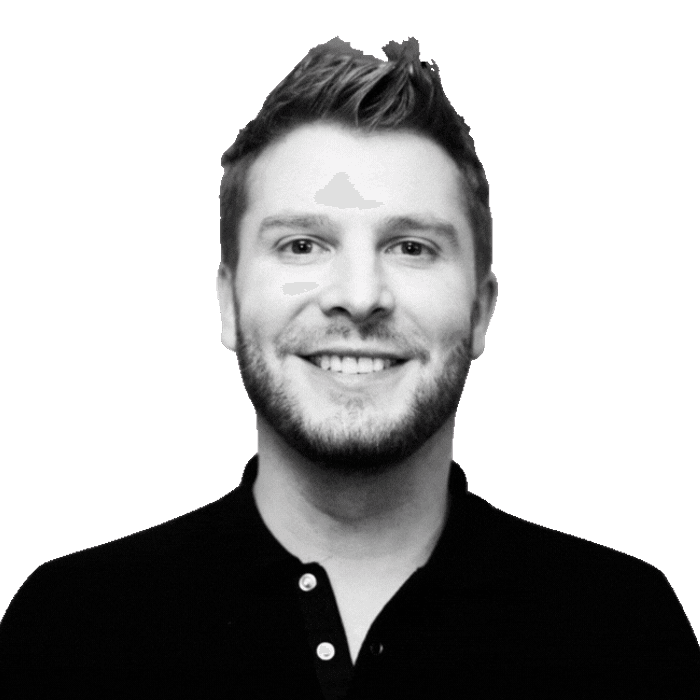
Dr Alex examines the scar's surface, thickness and colour and asks how it has changed. He'll check your skin tone, healing history and medicines, then discuss whether CO2 is likely to help.
Before treatment

Prepare the area

You'll receive preparation instructions and an explanation of the numbing plan. Strong numbing cream is usually left on for around 30 minutes for laser work; any additional local anaesthetic depends on the area and treatment.
Laser treatment

Treat the agreed scar

With appropriate eye protection in place, Dr Alex treats the planned area. You may still feel heat or stinging despite numbing. The time needed depends on the size and complexity of the scar.
Recovery and review

Let the skin heal, then assess the result

The treated patch may be red, tender and crusted as it heals. Follow your cleansing, moisturising and sun-protection instructions, and leave any crusts to shed naturally. The later review considers the change in the scar and whether another session would be worthwhile.

Why Dr Alex

Why choose Dr Alex for CO2 scar treatment?

Dr Alex has presented and demonstrated CO2 treatment internationally and won Best SmartXide Transformation at the Lynton Excellence Awards 2023 for his CO2 work.

For a scar, the first decision is what actually needs to change. A firm raised area, a shallow dip and a flat red mark shouldn't all be given the same plan. He'll explain the role laser could play, the recovery involved and whether another approach would offer more.

GMC-registered doctor · 7072776

Full Member of BCAM

International toxin trainer

Aesthetics Awards winner 2021

Safety and aftercare

Looking after the treated skin

Redness, tenderness, swelling and crusting can follow treatment. The treated patch needs care while the surface heals, even if the rest of your skin feels normal.

Possible side effects

Possible complications include infection, burns, prolonged redness, darker or lighter patches, delayed healing and additional scarring. Tell Dr Alex about any previous difficulty healing or tendency to develop raised scars.

When to get urgent help

Contact the clinic promptly for worsening pain, spreading redness, blisters, pus, fever or an area that is breaking down rather than healing. If you cannot reach the clinic, seek urgent advice through NHS 111. Eye pain or a change in vision needs immediate assessment at an eye emergency service or A&E.

When treatment may need to wait

An open wound, infection, recent tan or an unexplained changing area needs attention before cosmetic laser treatment. Tell Dr Alex about your medication, including isotretinoin, cold sores, pregnancy or breastfeeding and any recent surgery. Don't stop prescribed medication yourself.

You'll receive aftercare instructions and advice on contacting the clinic if you have concerns.

Treatment costs

CO2 scar treatment prices

Scar treatment is £150 per session, with the area to be treated agreed at consultation.

Focal scar treatment
£150per session
The area is agreed at consultation. Wider treatment and further sessions have their own confirmed costs.
A consultation with Dr Alex costs £75. If you choose to have treatment within 3 months of your consultation, you can put this fee towards it, including at a later appointment. It cannot be used towards skincare products. If you decide not to have treatment, the fee covers your consultation.
Book a consultation
A laser consultation is £75, charged separately. Dr Alex will confirm the fee for your scar and explain the cost of any wider treatment plan or further sessions before you decide to proceed.

Your questions

More about laser treatment for scars

Answers to the questions that help you decide whether to have your scar assessed.

Can CO2 laser remove a scar completely?
It can make a suitable scar smoother, softer and less noticeable, but it cannot remove every trace. Dr Alex will discuss a realistic goal for the scar you have, including the features that may remain.
Can it help an old scar?
An older scar can still be worth assessing. Its depth, texture and location matter as well as its age. You don't need to rule out treatment simply because the original injury or operation was years ago.
How soon after an operation can I have laser?
You can ask for advice early, but the right treatment date depends on the wound and how it is healing. Dr Alex will need the details of your surgery and may advise discussing the plan with your surgeon. Don't book laser over a wound that hasn't closed or is showing signs of infection.
Can it treat raised scars or keloids?
Some raised scars can benefit, but a keloid is a particular type of scar that grows beyond the original wound. It may need injections, a combination of treatments or specialist care. Dr Alex will assess it before recommending laser; this is not a promise to treat every raised scar with CO2.
Will it improve the redness or colour?
This treatment mainly addresses the scar's texture and firmness. Redness, brown pigmentation and pale areas have different causes and may need a different plan. A scar can feel smoother without all of its colour difference disappearing.
How many sessions will I need?
That depends on the scar and the change you're hoping for. A course may be useful, but there isn't one number that suits every scar. Dr Alex will discuss a starting plan and assess the response before recommending further sessions.
How much downtime should I allow?
The size and position of the treated patch make a difference, as do the settings. It may be a small area you can keep covered, or somewhere more noticeable such as the face. Dr Alex will give you a recovery estimate for your scar and explain when you can use make-up, exercise or swim again.
Does laser scar treatment hurt?
Numbing is used to make it more manageable. You may still feel warmth or stinging, and the area can feel sunburned afterwards. Tell Dr Alex if you're worried about discomfort so he can explain the anaesthetic and aftercare plan before treatment.
Can I have treatment on darker skin?
It may be suitable after assessment. Darker skin is more prone to pigment changes following laser, so preparation, settings and aftercare need particular care. Dr Alex will explain whether CO2 is appropriate for your skin and scar.
Can CO2 laser help both raised and indented scars?
It can improve some raised scars, known as hypertrophic scars, and some sunken or indented scars, known as atrophic scars. The aim might be to soften a firm ridge or smooth an uneven surface. Dr Alex will assess the scar's depth and texture before recommending treatment. Keloid scars need a different assessment and may require specialist care.

Your next step

Find out what could improve your scar

Book a £75 laser consultation with Dr Alex at SONÜ in Hale, Altrincham. He'll examine the scar, listen to what bothers you most and explain the likely improvement, recovery and cost of a suitable plan.
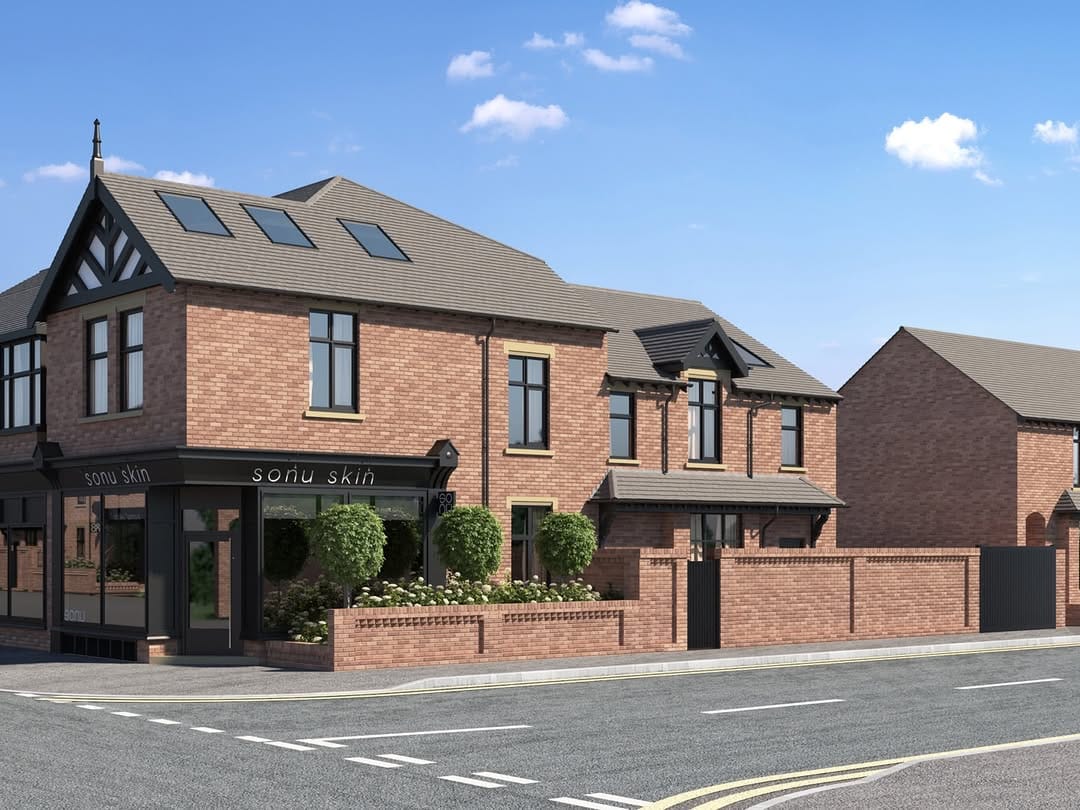
SONÜ Medical Aesthetics

34 Hale Road, Hale, Altrincham, WA14 2EX
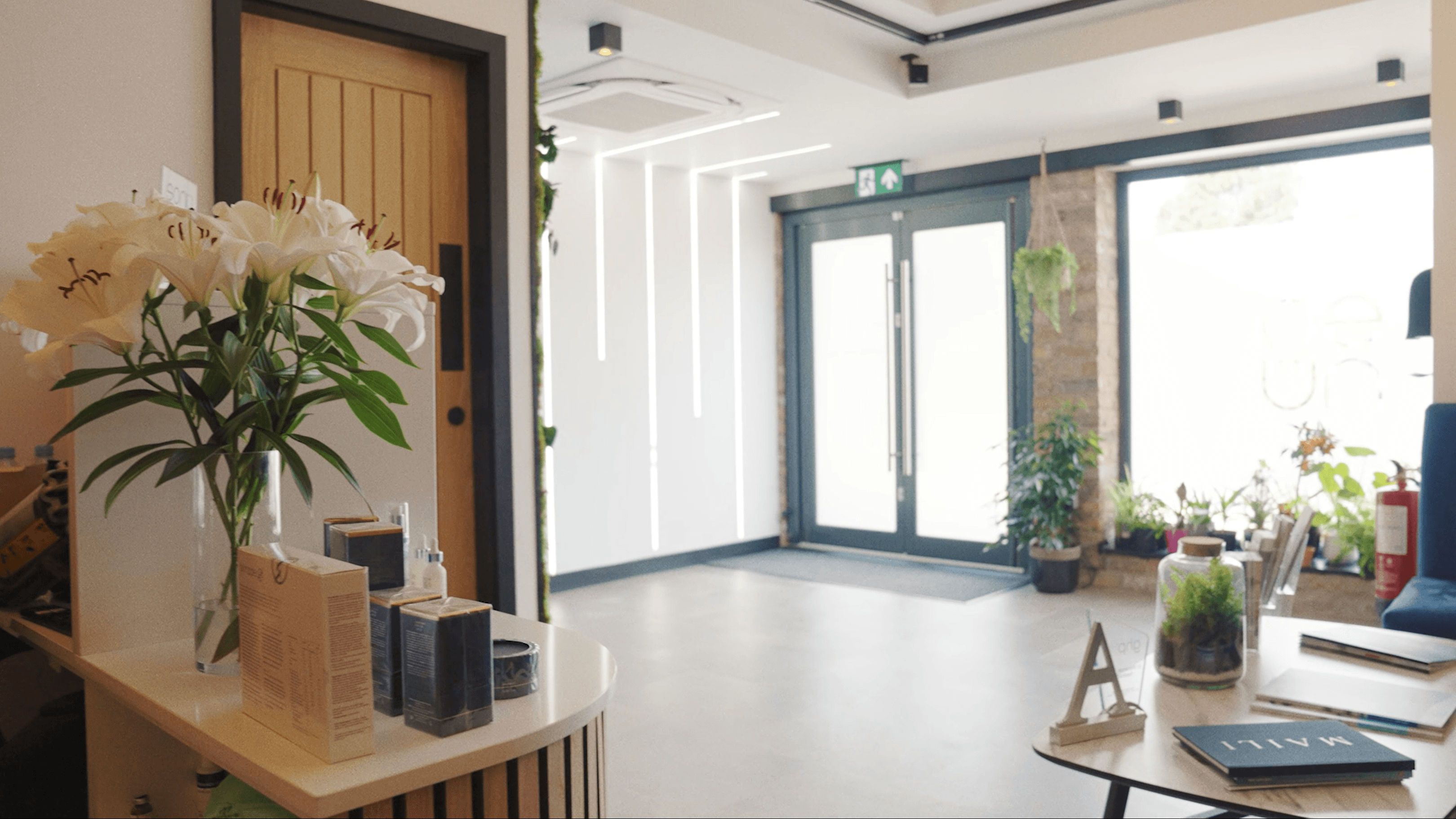
Doctor-led treatment in a relaxed, private clinic

Close to Hale station and easy to reach from Altrincham, Manchester and Cheshire